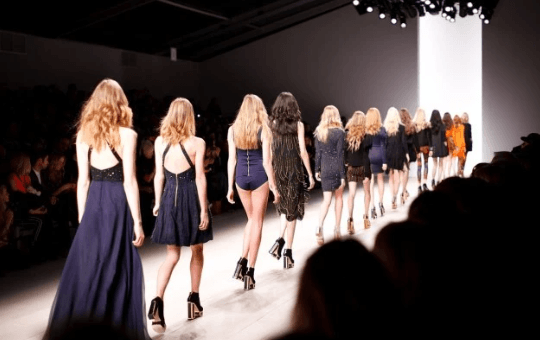
Fashion acts as a language, turning fabric into memory and silhouette into motive. Designers stage scenes where color softens or sharpens meaning, and textures speak in whispers. Garments carry personal histories, quirks, and desires, like notes tucked into seams. The wardrobe becomes a map of time, guiding perception while inviting interpretation. A single look can suggest choices yet hide others, leaving the next chapter to unfold through what each wearer chooses to reveal. The story simply waits.
What Storytelling Looks Like in Fashion
Fashion storytelling unfolds through deliberate choices that weave memory, meaning, and mood into a garment or collection. The presentation translates into a dialogue between silhouette, color, and texture, where designers stage scenes and audiences interpret gaps. Personal legends emerge in gestures; fabric myths whisper of origin. Each look becomes a marker, guiding viewers to rethink identity, aspiration, and freedom through apparel.
Personal Histories Woven Into Wardrobe Choices
Personal histories shape the wardrobe as stories accumulate in fabric and fit. In quiet rooms, individuals extract meaning from garments, marking moments with stitches and seams.
Personal archives become references, guiding choices as time bends silhouettes and textures. Wearable memoirs emerge—items that speak of journeys, friendships, and thresholds—allowing expression without bravado, while preserving discretion and autonomy within evolving identities.
The Language of Color, Texture, and Silhouette
Color, texture, and silhouette operate as a threefold language, each element signaling mood, intention, and narrative without a single word spoken. The discussion unfolds through color psychology, where hues imply desires and risks, and texture reveals restraint or exuberance. Fabric tactile cues ground meaning, turning cloth into memory, shaping context, and inviting observers to read motion, possibility, and personal consent with quiet resolve.
How to Tell Your Story Through Personal Styling
How can the language of style become a window into identity, revealing the wearer’s values, daily rhythms, and hidden ambitions without uttering a single word? Personal styling becomes a deliberate performance, where memory maps guide choices and accessory symbolism signals intent. The wardrobe narrates chapters, from subtle rituals to bold departures, weaving autonomy with tradition, inviting observers to read rather than dictate the wearer’s story.
See also: The Long-Term Impact of Decentralized Technology
Frequently Asked Questions
How Can Fashion Convey Mood Without Words?
The answer lies in tone contrasts and textile textures, where mood emerges without words. It describes how silhouettes shift feelings, how fabrics whisper histories, and how colors align with atmosphere, guiding viewers toward freedom through subtle, immersive storytelling.
Can Accessories Act as Narrative Anchors in Outfits?
Accessories can function as narrative anchors, lending shape to outfits through deliberate symbolism. Accessory symbolism emerges as tangible storytelling, guiding interpretation while permitting free, interpretive mood. They anchor themes, creating a portable arc within unconventional, expressive ensembles.
What Role Does Audience Context Play in Storytelling Through Fashion?
Audience perception shapes interpretation; audience context illuminates intent, and audience perception, cultural context, guides meaning. Parallel reflections: observers decode motifs, observers compare norms, observers reconcile personal memory with shared symbols, observers empower or constrain narrative through fashion’s contextual dialogue.
How Do Sustainable Practices Influence Narrative Power in Clothing?
Sustainable practices influence narrative power by endowing clothing with sustainable symbolism and an ethical arc, where materials and processes become characters. The garments convey responsibility, transparency, and purpose, inviting audiences to interpret values through wearables that resist disposable storytelling.
Can Fashion Tell Evolving Stories Across Seasons and Years?
Fashion can tell evolving stories across seasons and years, revealing fashion arcs and seasonal evolution as garments accumulate meaning, reflecting changing cultures, climates, and desires in a descriptive, narrative, contextual manner that respects a spirit of freedom.
Conclusion
In a fashion world that swears it’s all about identity, the wardrobe quietly keeps receipts. Garments narrate louder than slogans, yet the wearer pretends they’re choosing merely to stay warm or on trend. Irony dresses the finale: we curate memories we pretend aren’t memos from our past. The final look, carefully composed, reads as autobiography—minus the strict chapters—where every silhouette admits its own memory, every color concedes a mood, and every accessory nods, “Yes, I am, after all, your story.”
