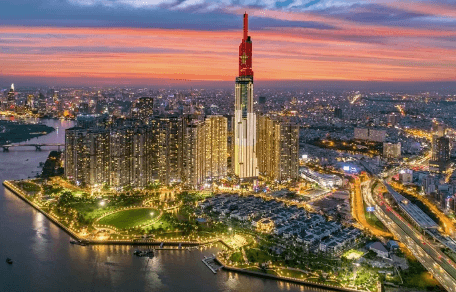
For those looking to experience a city that pulses with energy and history, Ho Chi Minh City should be at the top of your travel list. This dynamic metropolis, also known as Saigon, is the largest city in Vietnam and offers a captivating blend of old and new. Stroll through the bustling streets where colonial architecture meets sleek skyscrapers, and explore vibrant markets like Ben Thanh, where you can find everything from local handicrafts to exotic street food. The city’s numerous historical sites, such as the War Remnants Museum and the Cu Chi Tunnels, provide profound insights into Vietnam’s rich and tumultuous past. Moreover, Cathay Pacific flights from Amsterdam To Ho Chi Minh City make traveling to Ho Chi Minh City both straightforward and convenient.
The culinary scene in Ho Chi Minh City is another major draw for visitors. Renowned for its diverse and delectable food offerings, the city is a haven for food enthusiasts. Indulge in local favorites like pho, banh xeo (crispy pancakes), and fresh spring rolls, available from street vendors and high-end restaurants alike. The vibrant nightlife, with its myriad of bars and nightclubs, adds another layer of excitement to your visit. Additionally, the city’s burgeoning arts and culture scene, with contemporary galleries and traditional performances, ensures there’s something for every taste. With Cathay Pacific offering flights from Amsterdam To Ho Chi Minh City, planning your trip to this lively and fascinating city has never been easier.
Saigon Central Post Office
The Saigon Central Post Office is a historic landmark located in Ho Chi Minh City, Vietnam. Built in the late 19th century during French colonial rule, the post office is a beautiful example of colonial architecture with its grand facade and ornate interior. Designed by Gustave Eiffel, the same architect behind the Eiffel Tower in Paris, the post office is a popular tourist attraction for its unique blend of French and Vietnamese architectural styles.
Stepping inside the Saigon Central Post Office, visitors are transported back in time to the colonial era with its high arched ceilings, polished marble floors, and intricate ironwork. The main hall is adorned with a large portrait of Ho Chi Minh, the famous Vietnamese revolutionary leader, and there are rows of wooden phone booths from a bygone era. The post office still functions as a working post office, where locals and tourists alike can send letters and packages to destinations around the world.
One of the most striking features of the Saigon Central Post Office is its beautiful arched windows that let in streams of natural light, illuminating the space with a warm and inviting glow. The walls are lined with faded maps and directories from the colonial period, adding to the ambiance of the post office’s historical significance. Visitors can also explore the gift shop inside the post office, where they can purchase vintage postcards, stamps, and other souvenirs to commemorate their visit.
In addition to its architectural beauty, the Saigon Central Post Office is also steeped in history and has played a significant role in Vietnam’s past. During the Vietnam War, the post office served as a meeting place for soldiers and civilians, as well as a hub for communication with the outside world. Today, the post office stands as a reminder of Vietnam’s rich cultural heritage and is a must-see destination for anyone visiting Ho Chi Minh City.
Saigon Opera House
Saigon Opera House, also known as the Municipal Theatre of Ho Chi Minh City, is an iconic landmark in Vietnam. Built in 1897 during the French colonial period, the opera house is a stunning example of French neo-baroque architecture. The building’s façade is adorned with ornate carvings and statues that reflect the grandeur and elegance of the era. With its distinctive green roof and white pillars, the Saigon Opera House is a prominent cultural institution in Ho Chi Minh City.
The opera house is not only a beautiful architectural gem, but also a hub for the performing arts in Vietnam. It hosts a variety of shows, including opera, ballet, musical concerts, and traditional Vietnamese performances. The interior of the opera house is equally impressive, with a grand staircase leading to the main auditorium, which can seat up to 500 guests. The auditorium is adorned with intricate chandeliers, velvet seats, and ornate décor, creating a luxurious and intimate atmosphere for every performance.
Over the years, the Saigon Opera House has become a symbol of Vietnam’s rich cultural heritage and artistic legacy. The venue has hosted performances by both local and international artists, showcasing a diverse range of artistic disciplines. From classical music concerts to contemporary dance performances, the opera house continues to be a premiere destination for cultural enthusiasts in Ho Chi Minh City.
In addition to its cultural significance, the Saigon Opera House also serves as a historical landmark that reflects Vietnam’s complex colonial past. The building has witnessed significant events in Vietnam’s history, including the rise of nationalism and independence movements. Today, the opera house stands as a testament to the resilience and creativity of the Vietnamese people, who have embraced their cultural heritage while adapting to the challenges of modernity. Whether attending a performance or simply admiring its architectural beauty, visitors to Saigon Opera House are sure to be captivated by its timeless charm and history.
See also: The Real Cost and Access Tradeoffs Behind Victory Mens Health
Jade Emperor Pagoda
The Jade Emperor Pagoda is one of the most famous and historic pagodas in Ho Chi Minh City, Vietnam. Built in the early 20th century by the Cantonese community, it is dedicated to the Jade Emperor, the supreme Taoist god. The pagoda is a popular tourist attraction and a place of worship for many locals.
The pagoda’s architecture is a blend of Chinese and Vietnamese styles, making it a unique and stunning sight to behold. The intricate carvings, colorful tiles, and statues of mythical creatures all add to the pagoda’s beauty. Visitors can also admire the intricate woodwork and sculptures that adorn the interior of the pagoda.
One of the highlights of the Jade Emperor Pagoda is the statues of the twelve animals of the Chinese zodiac. These statues are believed to bring luck and protection to those born under each respective animal sign. Visitors can also see the grand statue of the Jade Emperor himself, adorned with a crown and surrounded by offerings from devotees.
The pagoda is also known for its peaceful and serene atmosphere, making it a perfect place for meditation and reflection. Visitors can light incense and offer prayers to the Jade Emperor for health, prosperity, and happiness. The pagoda also hosts various festivals and events throughout the year, attracting both locals and tourists alike.
Overall, the Jade Emperor Pagoda is a must-visit destination in Ho Chi Minh City for its stunning architecture, rich history, and spiritual significance. Whether you are a history buff, a religious devotee, or just looking for a peaceful place to explore, the Jade Emperor Pagoda has something to offer everyone. Don’t miss the chance to experience the beauty and tranquility of this historic pagoda during your visit to Vietnam.
