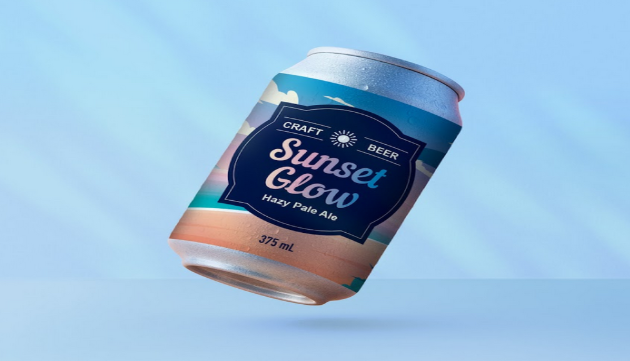
You’re launching something new, and you’ve hit that decision that seems small but really isn’t. Are you going with printing label stickers or traditional labels? Sounds easy, right? But it actually shapes everything from how quickly you can move to what your product looks like sitting on a shelf. Get it right, and you’re saving money while looking like you know what you’re doing. Get it wrong, and you’re stuck with inventory that doesn’t fit your brand, or you’re scrambling to fix things.
Here’s the deal. Printing label stickers feels quicker and cheaper. Traditional labels feel more professional. The thing is, that’s not the whole story. What works depends on what you’re actually doing right now.
So what’s the real difference?
Label Stickers Versus Traditional Labels
Label stickers are self-adhesive. You slap them on a surface after you’ve already got your product made. Traditional labels get applied during manufacturing. That one thing changes pretty much everything: your costs, how flexible you can be, how they look, how they hold up.
Stickers control your brand image. You print them separately from your container. You apply them yourself, or you manage how they get applied. This means you can play around with designs, change things up, and adjust how many you order without hitting some big manufacturer’s minimum. You’re not locked into anything.
Traditional labels are built into the product from the start. They get printed directly onto packaging or applied during manufacturing with proper equipment and strong adhesives. This needs a bigger commitment and longer waits.
Neither one is better. They’re just different options for different situations.
Why Do Printing Label Stickers Work for Some Brands?
Stickers are great when you’re testing the waters. You’re a new brand figuring out what people want. You’re not sure your design is exactly right yet. You want to try different designs every few months or test a couple of versions. Stickers let you do that.
Money matters too. Self-adhesive stickers usually cost less per unit than traditional labels, especially when you’re ordering smaller batches. You skip the industrial setup and the complex manufacturing stuff. This appeals to startups and entrepreneurs who actually care about their budget.
Speed’s another benefit. Need labels fast? Stickers get to you quicker. You order them, they arrive, you put them on yourself or find someone local to help. No waiting for factories, no delays, no fitting everything into some big production schedule.
What you’re actually labelling makes a difference too. If you’re sticking a label onto something that’s already in a container, stickers are the obvious choice. You’re adding to an existing bottle, box, or package. You’re not going to redesign your whole product just to fit a traditional label.
But here’s the thing that worries people. A lot of brands think stickers look cheap or not really professional. There’s this feeling that stickers mean you’re small or just getting started. It’s kind of fair, but it’s also not totally true. A properly designed sticker on good material looks professional and intentional. The problem is when people pick rubbish materials or cut corners on printing. The answer isn’t to give up on stickers; it’s to actually invest in decent printing and substrate.
See also: Top 3 Fantastic Travel Attractions in Ho Chi Minh City
When Traditional Labels Make Sense
Traditional labels work when you’re ready to commit. You know what your design is. You’re printing real volume. You want maximum shelf impact. They blend into your product and create that finished, polished look that stickers struggle to match.
Durability’s a real thing too. They’re applied with proper equipment and adhesives made for the job. Moisture doesn’t wreck them, temperature changes don’t bother them, rough handling doesn’t destroy them. If your product goes into cold storage, travels around, or sits on shelves for ages, traditional labels just work better.
And then there’s what people expect. High-end products use traditional labels. Most of the time. It makes sense. There’s something about a label that’s actually part of the product that tells customers you care and you’ve put thought into this. People feel it even if they can’t say exactly why.
The honest bit is that traditional labels can feel safer because they feel established. They cost more, they need commitment, they’re hard to change. Sometimes that makes brands pick them for the wrong reasons, just because it feels like what you’re supposed to do.
You’re Not Locked in Forever
Here’s what loads of brands get wrong. You don’t pick one thing and stick with it forever. Start with stickers while you’re learning and figuring things out. Switch to traditional labels once you know what works and you’re ready to scale. Some brands use both depending on the product.
The decision doesn’t lock you in. It just needs to fit where your business actually is right now.
Printing label stickers and traditional labels both have real benefits. Brands that do well pick what actually works for their situation, not just what feels safest or most professional.
